
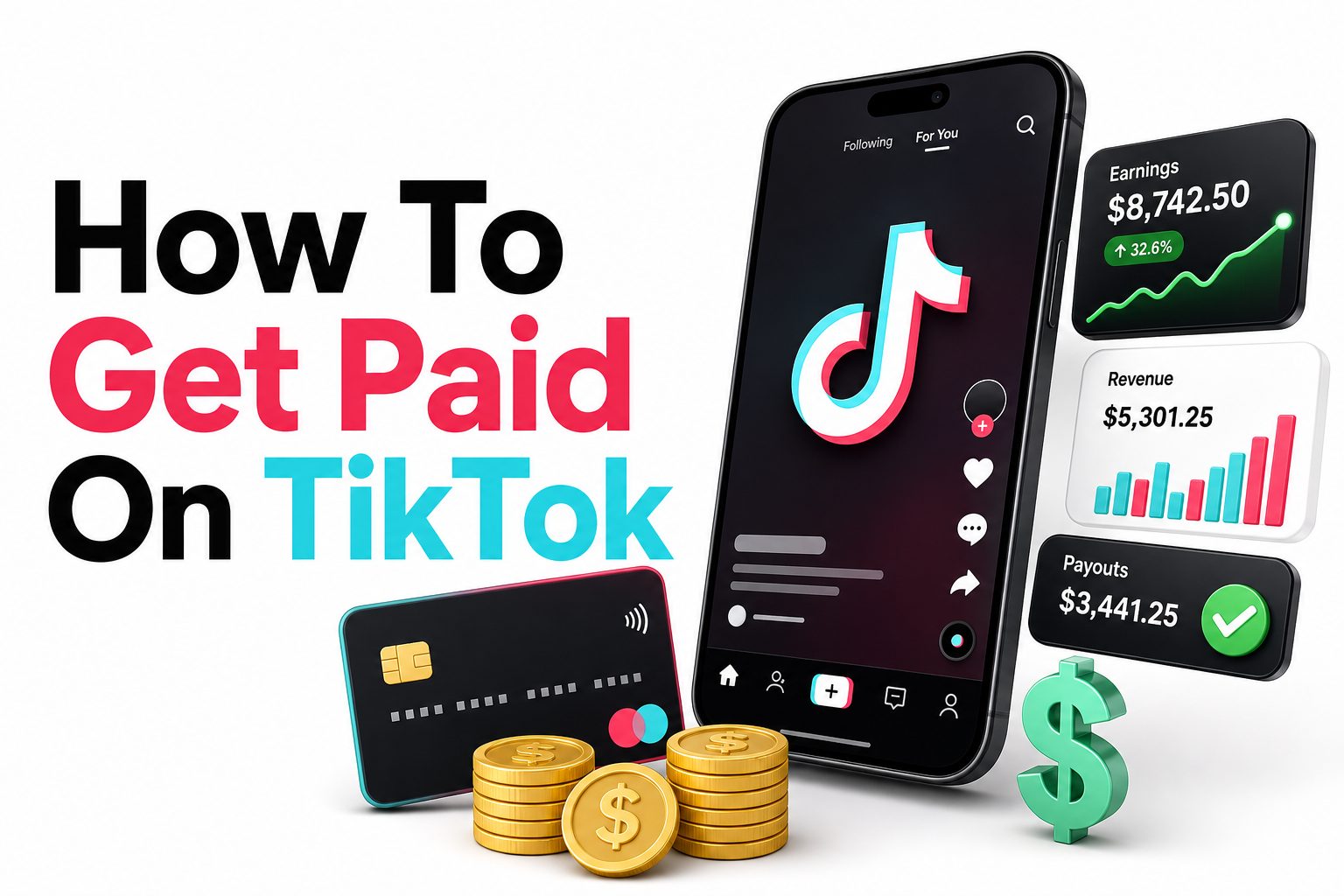
Making money on TikTok is no longer limited to viral dancers, comedians, or creators with millions of followers. The platform now offers several income paths, from TikTok Shop commissions and brand partnerships to LIVE gifts, creator rewards, subscriptions, and off-platform sales. Still, knowing how to get paid on TikTok takes more than posting often and hoping one video takes off.
The creators who earn consistently treat TikTok like a media channel, not a lottery ticket. They understand their audience, choose monetization methods that fit their content, and build trust before asking viewers to buy, subscribe, or click. This article breaks down the practical ways TikTok creators get paid, what eligibility usually involves, and how to build a content plan that supports long-term earnings without sounding overly promotional.
How TikTok Payments Work
TikTok payments come from several sources, and each one works differently. Some earnings are paid directly through TikTok features, while others come from brands, affiliate programs, product sales, or your own business. This matters because one viral video may pay little, while a targeted product video can generate strong commissions.
Most creators do best when they combine income streams. A fitness creator might earn through TikTok Shop products, sponsored posts, coaching calls, and email list signups. A beauty creator may pair affiliate commissions with brand retainers. TikTok becomes the attention engine, while monetization happens across multiple layers.
Creator Rewards Program Basics
The Creator Rewards Program replaced the older Creator Fund in several markets. It rewards eligible creators for original, high-quality videos that meet TikTok’s requirements, including longer-form videos of at least one minute. The program is designed to favor watch time, originality, engagement, and viewer value.
To qualify, creators usually need to meet age, follower, location, account standing, and view requirements. Eligibility can vary by region, so always check TikTok Studio inside your account. If available, this is one of the most direct ways to get paid for content performance.
Ways TikTok Creators Commonly Earn Money
- Creator Rewards Program payments for qualifying videos
- TikTok Shop affiliate commissions from product sales
- Sponsored posts and brand partnerships
- LIVE Gifts and Diamonds from viewers
- Video Gifts where available
- Creator Marketplace campaigns
- Paid subscriptions and exclusive community offers
- Selling digital products, services, or merchandise
- Sending traffic to blogs, stores, newsletters, or courses
Getting Paid Through TikTok Shop
TikTok Shop is one of the most practical monetization paths because it connects content directly to shopping. Creators can promote eligible products, add product links to videos or LIVEs, and earn a commission when viewers buy through those links. This works especially well for reviews, demonstrations, tutorials, and comparisons.
The best TikTok Shop creators avoid random product posting. They choose items that fit their niche and audience needs. A kitchen creator can promote utensils, pantry tools, or meal prep products. A skincare creator should focus on relevant, compliant products that match their expertise and viewer trust.
Choosing Products That Actually Sell
Product selection affects your earnings more than many creators realize. High commissions look appealing, but a weak product with poor reviews can damage credibility. Strong products usually have clear demand, a fair price, good customer feedback, reliable shipping, and a natural reason to appear in your content.
Before promoting anything, study the product page, seller history, commission rate, and buyer comments. If possible, test the product yourself. Videos feel more believable when you can show real use, specific benefits, and honest limitations instead of reading features from a listing.
Brand Partnerships and Sponsored Content
Brand deals can become one of the highest-paying income streams on TikTok. A brand pays you to create content that promotes its product, service, app, event, or campaign. Payment may be based on one video, a package of videos, usage rights, exclusivity, or performance bonuses.
You do not need millions of followers to land sponsorships. Brands often prefer creators with a clear niche, strong engagement, and an audience that matches their buyers. A creator with 25,000 loyal followers in home organization may be more valuable than a general entertainment account with weak buying intent.
Brand Deal Readiness Checklist
- Clear niche and audience profile
- Consistent posting history
- Strong examples of product-friendly content
- Engagement beyond likes, including saves and comments
- Professional email address in your bio
- Simple media kit with rates, audience data, and past results
- Willingness to disclose paid partnerships properly
- Clear boundaries around usage rights and exclusivity
Using TikTok Creator Marketplace
TikTok Creator Marketplace is TikTok’s official platform for connecting creators and brands. Eligible creators can join, receive campaign invitations, share performance data, and manage collaborations. It gives brands a structured way to find creators based on audience, content category, location, and campaign goals.
Creator Marketplace is not the only way to get brand deals, but it can help with credibility. Keep your profile clean, update your niche, and showcase videos that reflect the kind of partnerships you want. Brands often judge quickly, so your first impression matters.
Pitching Brands Outside TikTok
Many profitable partnerships happen outside TikTok’s built-in tools. You can pitch brands through email, LinkedIn, Instagram, or contact forms. The strongest pitches are short, specific, and focused on what you can create for the brand, not simply how much you like its products.
A useful pitch mentions your audience, your content angle, and a simple campaign idea. For example, a parenting creator might suggest a three-video series showing how a product solves a morning routine problem. Brands respond better when you bring a content concept, not just a rate card.
TikTok Monetization Method Comparison
Method: Creator Rewards Program
Best For: Original videos over one minute
Main Requirement: Eligibility through TikTok Studio
Income Style: Performance-based payouts
Method: TikTok Shop Affiliate
Best For: Product reviews and demos
Main Requirement: Shop creator eligibility
Income Style: Sales commissions
Method: Brand Deals
Best For: Niche creators with trust
Main Requirement: Audience fit and negotiation
Income Style: Fixed fees or campaign packages
Method: LIVE Gifts
Best For: Interactive creators
Main Requirement: LIVE access and gift eligibility
Income Style: Viewer support
Method: Own Products
Best For: Experts and business owners
Main Requirement: Offer and sales system
Income Style: Direct revenue
Getting Paid With LIVE Gifts
TikTok LIVE lets eligible creators interact with viewers in real time. Viewers can send virtual Gifts during a LIVE, and creators may collect Diamonds connected to that support. LIVE works well for creators who can hold attention, answer questions, entertain, teach, or sell interactively.
Consistency is important with LIVE monetization. A creator who goes live randomly may struggle to build habits among viewers. Scheduled sessions, recurring themes, and clear audience expectations help. For example, a beauty creator might host weekly product testing, while a musician performs request-based sessions.
Making LIVEs More Profitable
Profitable LIVE sessions usually have structure. Start with a clear topic, welcome viewers by name, repeat the value of staying, and use pinned products or prompts when relevant. Long silences, confusing topics, and aggressive selling can push viewers away before they engage.
Treat LIVE like a show, not a casual background activity. Prepare talking points, products, answers, or demonstrations before starting. If you sell through TikTok Shop, show the product naturally, answer objections, and give viewers enough context to decide without pressure.
Building a Niche That Attracts Money
A niche helps viewers know why they should follow you and helps brands know why they should pay you. Broad content can still go viral, but monetization is easier when your audience has clear interests, problems, or buying habits. Specificity makes your account easier to position.
Good niches are not always narrow topics. They can be a clear audience plus a repeated promise. “Budget meals for busy parents,” “beginner strength training,” and “small apartment organization” all give viewers a reason to return and give brands a reason to collaborate.
Content Ideas That Support Monetization
- Product comparisons with honest pros and cons
- Tutorials showing a result from start to finish
- Mistakes to avoid in your niche
- Before-and-after transformations
- Budget-friendly recommendation lists
- Behind-the-scenes workflow videos
- Frequently asked audience questions
- Case studies from your own experience
- LIVE Q&A sessions tied to a product or service
Creating Videos That Earn More
TikTok rewards content that keeps people watching and interacting. For monetized videos, the first few seconds need to make the topic clear. A strong hook does not need to be dramatic. It should quickly show the viewer why the video is worth their time.
The middle of the video should deliver real substance. If you are reviewing a product, show it in use. If you are teaching, avoid vague advice and give steps. If you are telling a story, keep the pace tight. Earnings improve when content holds attention and builds trust.
Using Longer Videos Strategically
Because reward programs often favor qualifying longer videos, creators should learn how to make one-minute-plus content feel tight. A longer video should not be padded. It needs a clear structure, useful details, and enough movement or information to keep viewers engaged.
Good long-form TikTok videos often use a simple pattern: problem, context, demonstration, result, and takeaway. This works for tutorials, reviews, commentary, and education. The viewer should feel that the extra time was worthwhile, not that the creator stretched a short idea.
Optimizing Your TikTok Profile for Income
Your profile should quickly explain who you help and why someone should follow. A strong bio names the topic, audience, or benefit. If you sell products or services, make the next step obvious through your link, showcase, email, or pinned videos.
Pinned videos are valuable monetization tools. Use them to introduce your expertise, highlight your best-performing content, show a product result, or explain what viewers can expect. A messy profile can waste attention from viral videos, while a focused profile turns visitors into followers and buyers.
Profile Elements That Build Trust
- A clear creator name or brand name
- Profile photo that is recognizable at small size
- Bio that states your topic or audience
- Email address for partnerships
- Relevant link to your offer, shop, or website
- Pinned videos that show value quickly
- Consistent content categories
- Proper disclosure on commercial content
Driving Traffic to Your Own Offers
TikTok can pay directly, but many creators earn more by sending viewers to their own products or services. This may include templates, coaching, courses, consulting, merchandise, memberships, newsletters, or a niche website. Owning the customer relationship gives you more control than relying only on platform payouts.
The key is matching the offer to the audience. A productivity creator might sell Notion templates. A language teacher could offer paid lessons. A food creator may drive readers to recipe posts through [Internal Link: TikTok Content Strategy] or sell meal plans from their main website.
Affiliate Marketing Beyond TikTok Shop
TikTok Shop is not the only affiliate option. Creators can also use affiliate programs from software companies, marketplaces, education platforms, beauty brands, and retailers. These links may live in your bio, link hub, blog posts, email newsletter, or product resource pages.
Be careful with trust. Promoting too many unrelated offers makes your account feel like an ad feed. Choose affiliate products you can explain clearly and recommend responsibly. Long-term income depends on viewers believing that your recommendations are filtered, relevant, and based on real judgment.
Staying Compliant With Disclosures
If you are paid, gifted a product, earning commission, or promoting your own business, disclosure matters. TikTok provides commercial content settings for promotional content and paid partnerships. In many countries, consumer protection rules also require clear disclosure when a financial relationship exists.
Good disclosure is simple and visible. Use TikTok’s built-in tools when required, and add natural wording when helpful. Viewers do not usually mind monetized content when it is honest. Problems start when creators hide incentives, exaggerate results, or make unclear claims.
Common Compliance Mistakes to Avoid
- Posting sponsored content without disclosure
- Making product claims you cannot support
- Using misleading before-and-after edits
- Promoting restricted products without checking policies
- Copying another creator’s video or script
- Ignoring music licensing for branded content
- Hiding affiliate relationships
- Reposting low-originality clips for reward payouts
How Much TikTok Creators Can Make
TikTok income varies widely. Some creators earn a few dollars from rewards, while others make thousands from brand deals, TikTok Shop commissions, or product sales. Follower count matters, but audience quality, niche, trust, and offer fit often matter more.
A small account with buying intent can outperform a larger account built on passive entertainment. For example, a creator reviewing affordable home tools may earn meaningful affiliate commissions with modest views. A creator with viral comedy clips may struggle if there is no clear buyer connection.
Setting Realistic Income Expectations
New creators should focus first on consistency, positioning, and audience signals. Expect early income to be uneven. Your first goal is to learn what viewers watch, save, comment on, and buy. Those signals guide better content and better monetization choices.
Once patterns appear, build repeatable formats. A repeatable series is easier to scale than random posting. You can test hooks, video length, posting times, product categories, and calls to action. Small improvements compound when your content has a clear commercial purpose.
A Simple TikTok Income Plan
- Choose one clear niche and audience
- Post consistently for 60 to 90 days
- Track watch time, saves, comments, and profile visits
- Apply for eligible TikTok monetization tools
- Test TikTok Shop or affiliate products carefully
- Build a simple brand pitch list
- Create a media kit once results are visible
- Add one owned offer or email capture path
- Review performance weekly and repeat winning formats
Building a Content Calendar
A content calendar keeps your account from becoming reactive. Plan a mix of growth videos, trust-building videos, monetized videos, and community videos. This balance helps you avoid sounding like every post is asking for money while still giving your account a business purpose.
A simple weekly plan might include two educational posts, two trend-adapted posts, one product-focused post, one story-based post, and one LIVE session. Adjust based on data. The goal is not to post more for the sake of volume, but to publish with intent.
Tracking Metrics That Affect Earnings
Not all TikTok metrics are equally useful for monetization. Likes can show surface-level interest, but saves, shares, comments, completion rate, product clicks, and profile visits often reveal deeper intent. For sales content, click-through rate and conversion rate matter more than raw views.
Review analytics by content type. Compare tutorials against reviews, short videos against longer videos, and product demos against lifestyle mentions. If one format repeatedly drives clicks or comments, make more variations. TikTok income grows faster when you treat analytics as direction, not decoration.
Turning Followers Into a Community
A community is more valuable than a passive audience. People who comment regularly, join LIVEs, ask questions, and trust your taste are more likely to buy products, support you, and respond to offers. Community also makes your content easier to plan.
Reply to strong comments with videos, ask for viewer input, and remember recurring questions. Build language your audience recognizes. Over time, this creates familiarity. When monetization appears naturally inside that relationship, it feels less like advertising and more like a useful recommendation.
Avoiding Burnout While Growing
Trying to monetize TikTok can become exhausting if every video feels like a performance test. Creators often burn out by chasing trends outside their niche, checking analytics constantly, or accepting brand deals that do not fit. A sustainable system protects both quality and energy.
Batch filming, reusable formats, and clear content pillars help. So does saying no to poor-fit products. Your reputation is an asset. A quick commission is rarely worth confusing your audience or damaging trust you spent months building.
Conclusion
TikTok offers real earning potential, but the strongest creators do not rely on one payout feature. They combine platform programs, TikTok Shop, brand partnerships, LIVE features, affiliate links, and their own offers in a way that matches their audience. The practical path is to build trust first, then monetize with relevance.
If you want to learn how to get paid on TikTok, start by checking your eligibility in TikTok Studio, choosing a focused niche, and creating content that gives viewers a reason to watch, follow, and act. From there, test one income stream at a time. Keep what fits, improve what shows promise, and avoid anything that weakens your credibility. The creators who last are not always the loudest; they are the ones who keep delivering value while building a business around attention.
FAQ
How many followers do you need to get paid on TikTok?
Follower requirements depend on the monetization feature and your region. Some programs require thousands of followers, while TikTok Shop creator access may vary by account type. Check TikTok Studio for the most accurate eligibility details.
Can beginners make money on TikTok?
Yes, beginners can earn money, especially through affiliate content, services, digital products, or niche traffic. Direct TikTok payouts may require eligibility first, but a small focused audience can still generate income through useful recommendations.
Does TikTok pay for views?
TikTok may pay eligible creators through programs such as the Creator Rewards Program, but not every view earns money. Videos usually need to meet originality, length, region, account standing, and performance requirements to qualify.
Is TikTok Shop good for creators?
TikTok Shop can work well for creators who make product-focused content. Reviews, tutorials, demos, and comparison videos often perform best because viewers can see how the product works before deciding to buy.
How do brand deals work on TikTok?
Brand deals usually involve a company paying a creator to make sponsored content. Rates depend on niche, audience quality, deliverables, usage rights, exclusivity, and performance. Clear disclosure is required for paid partnerships.
0 Comments